
What to Do When a Tree Emergency Strikes Your Property
A tree emergency rarely announces itself in advance. A severe storm rolls through overnight, a weakened trunk finally gives way, or a large branch comes down without warning and suddenly you are facing a dangerous and stressful situation that demands immediate and decisive action.
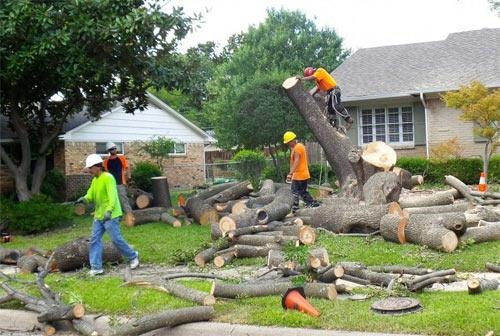
How to Handle a Tree Emergency Safely and Effectively
The way you respond in the immediate aftermath of a tree emergency determines how much additional damage and disruption you experience. Property owners who act quickly and call on emergency tree services professionals waste no time getting the situation under control safely and efficiently. Here is what to do when a tree emergency hits your property.
Prioritize Safety Above Everything Else
First and foremost, the moment a tree emergency occurs your only priority is the safety of every person on the property. Keep everyone well away from the fallen or damaged tree, especially if it has made contact with power lines, a structure, or a vehicle. A tree in contact with electrical lines creates an electrocution risk that demands immediate distance and an urgent call to your utility company before anyone approaches the area.
Document the Damage Before Anything Is Moved
Furthermore, once the immediate safety concerns have been addressed your next step is to thoroughly document the damage before any cleanup or removal work begins. Take clear and comprehensive photos and videos of the fallen tree, any structural damage it caused, and the surrounding area from multiple angles. This documentation is essential for filing a homeowner’s insurance claim and provides a clear record of the extent of the damage before the scene is altered by emergency cleanup work.
Contact a Professional Emergency Tree Service Immediately
Another critical step is reaching out to a qualified emergency tree service as quickly as possible after the incident. A professional crew has the equipment, training, and expertise to safely remove a fallen or dangerously damaged tree from your property without causing additional damage to your home, vehicles, or surrounding landscape. Attempting to remove a large fallen tree yourself without professional tools and training is extremely dangerous and almost always makes the situation worse.
Understand What Your Insurance Policy Covers
Finally, navigating the insurance side of a tree emergency is something every property owner needs to be prepared for. Most homeowner’s insurance policies cover damage caused by fallen trees to structures on the property but the specifics vary widely between policies. Contact your insurance provider as soon as possible after the emergency to report the incident, submit your documentation, and understand exactly what your policy covers and what your responsibilities are as the policyholder. Knowing your coverage in advance of an emergency is even better, so reviewing your policy before storm season arrives is always a smart and proactive precaution.
Conclusion: How to Handle a Tree Emergency Safely and Effectively
To wrap it all up, responding to a tree emergency calmly and systematically makes an enormous difference in the outcome for your property and your peace of mind. Prioritizing safety, documenting damage thoroughly, calling a professional emergency tree service, and understanding your insurance coverage are the steps that turn a chaotic situation into a manageable one. Do not wait until an emergency forces you to figure it out under pressure. Know your plan in advance and have a trusted emergency tree service ready to call when you need them most.
Recent Comments