
Full Mouth Dental Implants Can Rebuild More Than Just Your Smile

Losing most or all of your teeth affects far more than appearance. It changes how you eat, how you speak, and how you carry yourself in everyday social situations. For patients facing this level of tooth loss, full mouth dental implants represent something genuinely transformative, not just a cosmetic upgrade but a complete restoration of function, health, and confidence that other solutions simply cannot match.
Who Actually Qualifies for Full Mouth Implants

Understanding your eligibility is the natural starting point for anyone seriously considering this level of treatment. Patients exploring full mouth dental implants Pittsburgh PA are often relieved to discover that more people qualify than commonly assumed, even those who have experienced significant bone loss or have been told in the past that implants were not an option for them.

Two Main Solutions Cover the Full Mouth

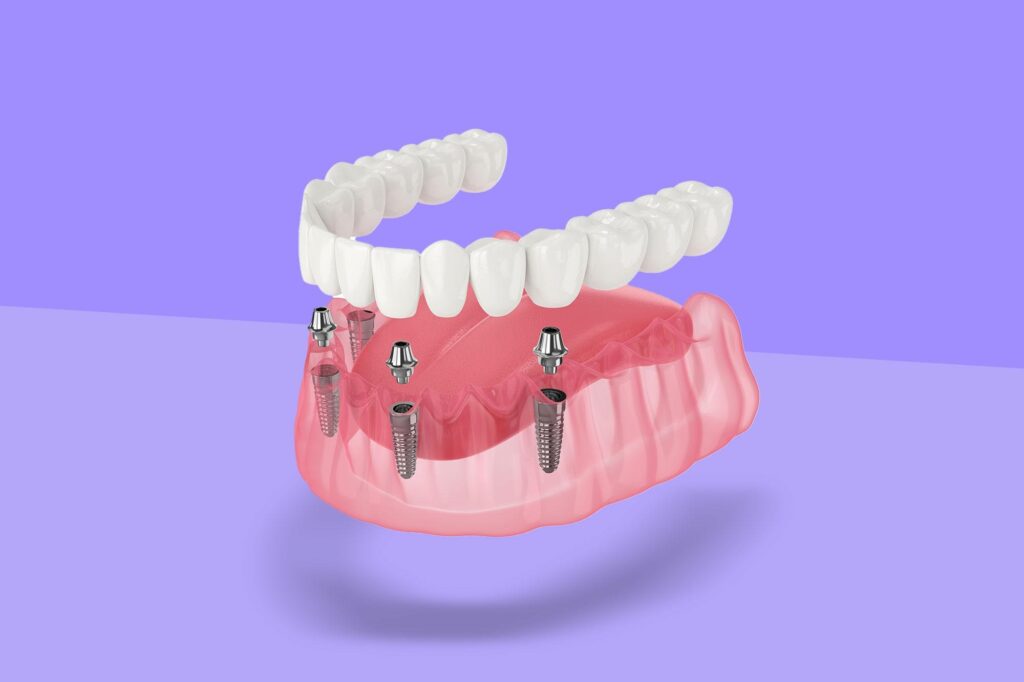
When it comes to replacing an entire arch of teeth with implants, two approaches dominate modern treatment planning. The first is individual implants for every missing tooth, which offers maximum stability but requires more surgical sites and a longer overall timeline. The second is implant-supported dentures, where a full arch of teeth is anchored to just four to six strategically placed implants. This second approach, often called All-on-4 or All-on-6, has made full mouth restoration accessible to a much broader range of patients by reducing both cost and surgical complexity.

Bone Health Plays a Central Role in Planning

One of the most important factors your provider will evaluate before recommending a full mouth approach is the current condition of your jawbone. Significant tooth loss leads to bone resorption over time, which can complicate implant placement. However, advances in bone grafting techniques mean that even patients with reduced bone density can often be treated successfully. A thorough three-dimensional imaging assessment at your consultation will give your provider the precise information needed to plan your treatment accurately and safely.

Recovery Looks Different from Single Implant Treatment

It is worth understanding that recovering from full mouth implant treatment is a more involved process than recovering from a single implant. Swelling, tenderness, and dietary restrictions in the weeks following surgery are more pronounced, and the overall healing timeline is longer. That said, most patients find the recovery entirely manageable when they follow their provider’s aftercare instructions carefully. Many full mouth implant patients are also given temporary teeth to wear during the healing phase, meaning you are never without a functional smile throughout the process.

The Long-Term Payoff Justifies the Investment

Finally, the outcomes of full mouth dental implants, when placed by a skilled and experienced provider, are remarkably durable and life-changing. Unlike traditional dentures, implant-supported restorations do not slip, require adhesives, or need to be removed at night. They preserve jawbone structure, support facial shape, and allow patients to eat, speak, and laugh without restriction or self-consciousness. For patients who have spent years managing the limitations of severe tooth loss, that kind of freedom is genuinely difficult to put a price on.

Conclusion: Who Actually Qualifies for Full Mouth Implants

Full mouth dental implants offer a level of restoration that goes well beyond aesthetics, giving patients back the function and confidence that tooth loss takes away. With multiple treatment approaches available, advancing technology, and providers experienced in complex cases, more patients qualify today than ever before. If you have been living with significant tooth loss and believe implants are out of reach, a consultation may reveal options that completely change your outlook.


How Regular Dental Checkups Can Prevent Expensive Treatments Later 

Many people put off going to the dentist until there’s a problem. Whether it’s tooth pain, a chipped tooth, or bleeding gums, waiting until things get serious can lead to complicated—and costly—treatments. But regular dental checkups can help you avoid those big bills altogether.  

Preventing Expensive Dental Treatments with Routine Checkups 

With consistent care and early detection, you can protect both your smile and your wallet. Here’s how a dentist Raleigh NC can help. 

Spot Problems Early 

One of the biggest advantages of routine dental visits is catching issues early. Dentists can detect cavities, gum disease, or worn enamel before they become major problems. A small cavity, for instance, is quick and inexpensive to fix. But if it’s left untreated, it can turn into a root canal or even require a crown—both of which cost much more. 

By scheduling checkups every six months, you give your dentist the chance to intervene before minor concerns turn into expensive treatments. 

Prevent Gum Disease 

Gum disease doesn’t just affect your gums—it can impact your entire mouth and even your overall health. In its early stages, gingivitis is reversible with proper dental care. But when ignored, it can develop into periodontitis, which may require deep cleanings, antibiotics, or even surgery. 

Routine cleanings remove plaque and tartar buildup that brushing and flossing alone can’t handle. Staying on top of this helps maintain healthy gums and reduces your risk of needing more serious—and costly—interventions later. 

Protect Dental Work You Already Have 

If you’ve had fillings, crowns, or implants, regular checkups are key to protecting those investments. Dentists check to ensure existing dental work is still functioning properly. They’ll spot wear and tear, check for signs of infection, and make sure everything is still securely in place. 

Without these evaluations, small issues with previous treatments could go unnoticed until they require full replacements or major repairs—adding to your dental expenses. 

Avoid Cosmetic Surprises 

Even if your teeth feel fine, discoloration, chipping, or minor alignment problems can creep up over time. If ignored, these issues might require cosmetic procedures like veneers, bonding, or whitening to fix. However, with regular checkups, your dentist can offer simple preventive solutions early on, like polishing teeth, addressing enamel loss, or recommending a nightguard to prevent grinding. 

This proactive approach helps you maintain a bright smile without paying a premium down the road. 

Save Money Through Preventive Care 

Preventive care is far more affordable than restorative care. A standard dental cleaning and exam costs significantly less than a filling, crown, or extraction. Plus, most dental insurance plans cover regular checkups at little to no cost. 

By prioritizing preventive care, you reduce your long-term dental expenses and avoid the financial stress of emergency procedures. 

Conclusion: Preventing Expensive Dental Treatments with Routine Checkups 

Skipping dental checkups may seem like no big deal, but it often leads to bigger, more expensive problems down the line. By visiting your dentist regularly, you’re not just protecting your oral health—you’re also protecting your bank account. Early detection, preventive care, and consistent monitoring can help you avoid costly treatments and keep your smile healthy for years to come. So don’t wait until something hurts—schedule that checkup and stay ahead of the curve. 

Common Misconceptions About Root Canals and Endodontic Care

Few dental procedures carry as much undeserved baggage as the root canal. Decades of jokes, horror stories, and outdated information have created a reputation that bears very little resemblance to the reality of modern endodontic care. These misconceptions are not just harmless myths. They actively prevent people from seeking treatment they genuinely need, allowing painful and serious dental conditions to worsen unnecessarily. 

Setting the Record Straight on Endodontic Treatment

Misinformation about root canals and endodontic care has real consequences for patient health. People who seek honest answers from an Endodontist Pittsburgh specialist discover that the reality of modern treatment is far removed from the fearful reputation that precedes it. Here is what the facts actually say.

Root Canals Do Not Cause Pain, They Relieve It

First and foremost, the most persistent and damaging misconception about root canals is that the procedure itself is excruciating. In reality, root canal treatment is performed under local anesthesia and is specifically designed to eliminate the severe pain caused by an infected or inflamed tooth pulp. Most patients report that the procedure feels no more uncomfortable than a routine filling. The pain people associate with root canals is almost always the pain they felt before treatment, not during it.

Tooth Extraction Is Not a Better Alternative

Furthermore, many patients mistakenly believe that extracting a painful tooth is a simpler, cheaper, and equally effective alternative to endodontic treatment. While extraction does eliminate the immediate problem it creates a cascade of consequences including shifting teeth, bone loss, and the need for costly replacement options like implants or bridges that often far exceed the cost of saving the natural tooth. 

A Tooth That Feels Fine Does Not Mean Treatment Was Unsuccessful

Another common misconception is that a tooth requiring endodontic treatment must be visibly painful or sensitive to confirm the diagnosis. In reality many teeth with significant pulp infection or necrosis cause little to no pain because the nerve tissue has already died. A dentist or endodontist relies on clinical examination and imaging rather than pain levels alone to accurately diagnose the need for treatment. Assuming a tooth is healthy simply because it does not hurt is a dangerous misconception that leads patients to delay treatment until the infection has spread significantly beyond the tooth itself.

Endodontic Treatment Does Not Weaken the Tooth

Finally, some patients avoid root canal treatment out of concern that it will leave the tooth fragile or prone to breaking. While it is true that a tooth treated with endodontic therapy loses some of its natural moisture content over time, a properly restored tooth capped with a quality crown maintains excellent strength and functionality for many years. An endodontist works closely with your restorative dentist to ensure that the treated tooth is protected and reinforced appropriately following the procedure. With proper restoration and ongoing dental care a treated tooth can last a lifetime.

Conclusion: Setting the Record Straight on Endodontic Treatment

To wrap it all up, the fears and misconceptions surrounding endodontic care are overwhelmingly based on outdated information that does not reflect the reality of modern treatment. Root canals relieve pain rather than cause it, preserve teeth rather than weaken them, and deliver outcomes that extraction simply cannot match. Do not let misinformation stand between you and the care your tooth needs. Consult with a qualified endodontist today and make your decision based on facts, not fear.